The Rooms That Make Boston Rock
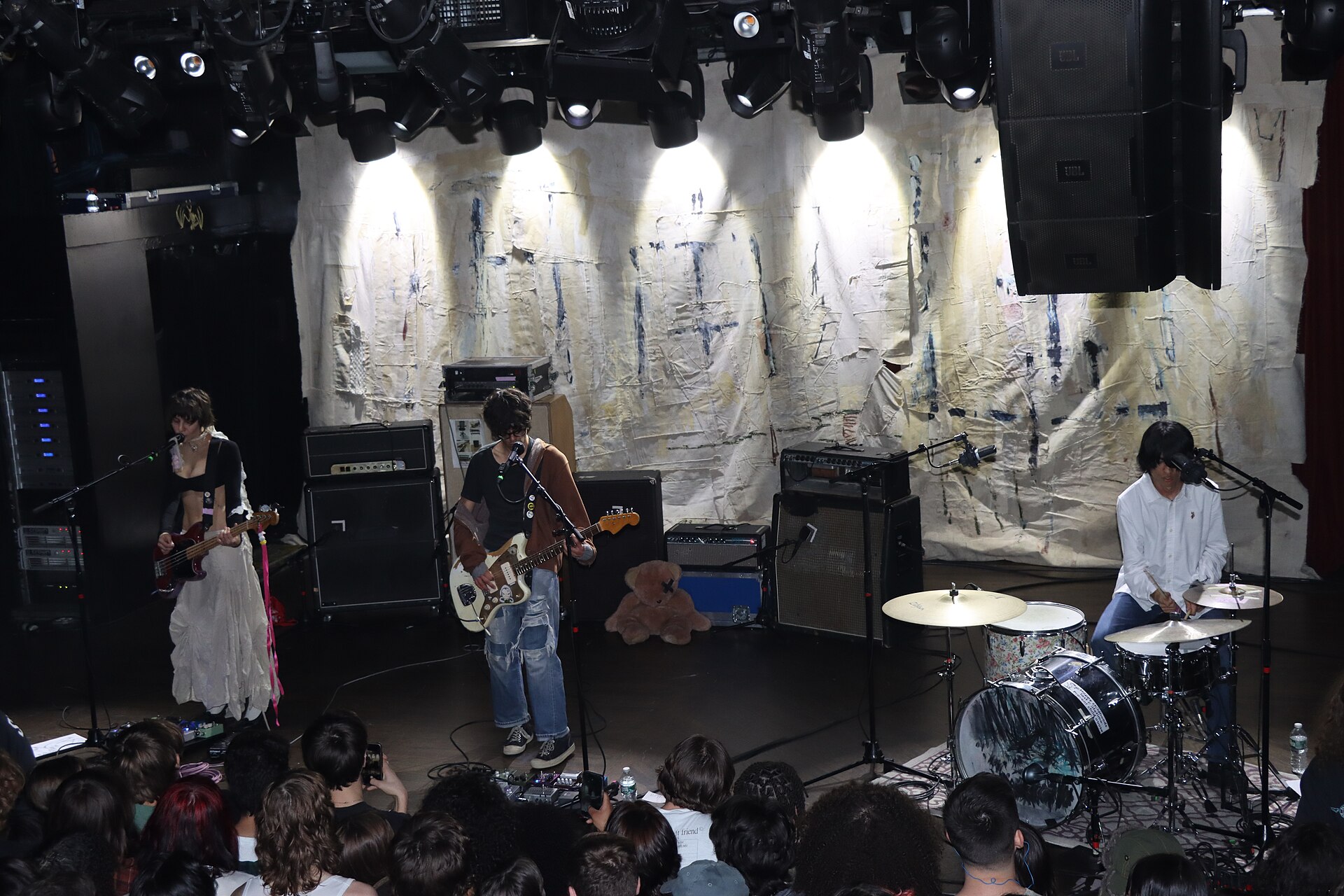
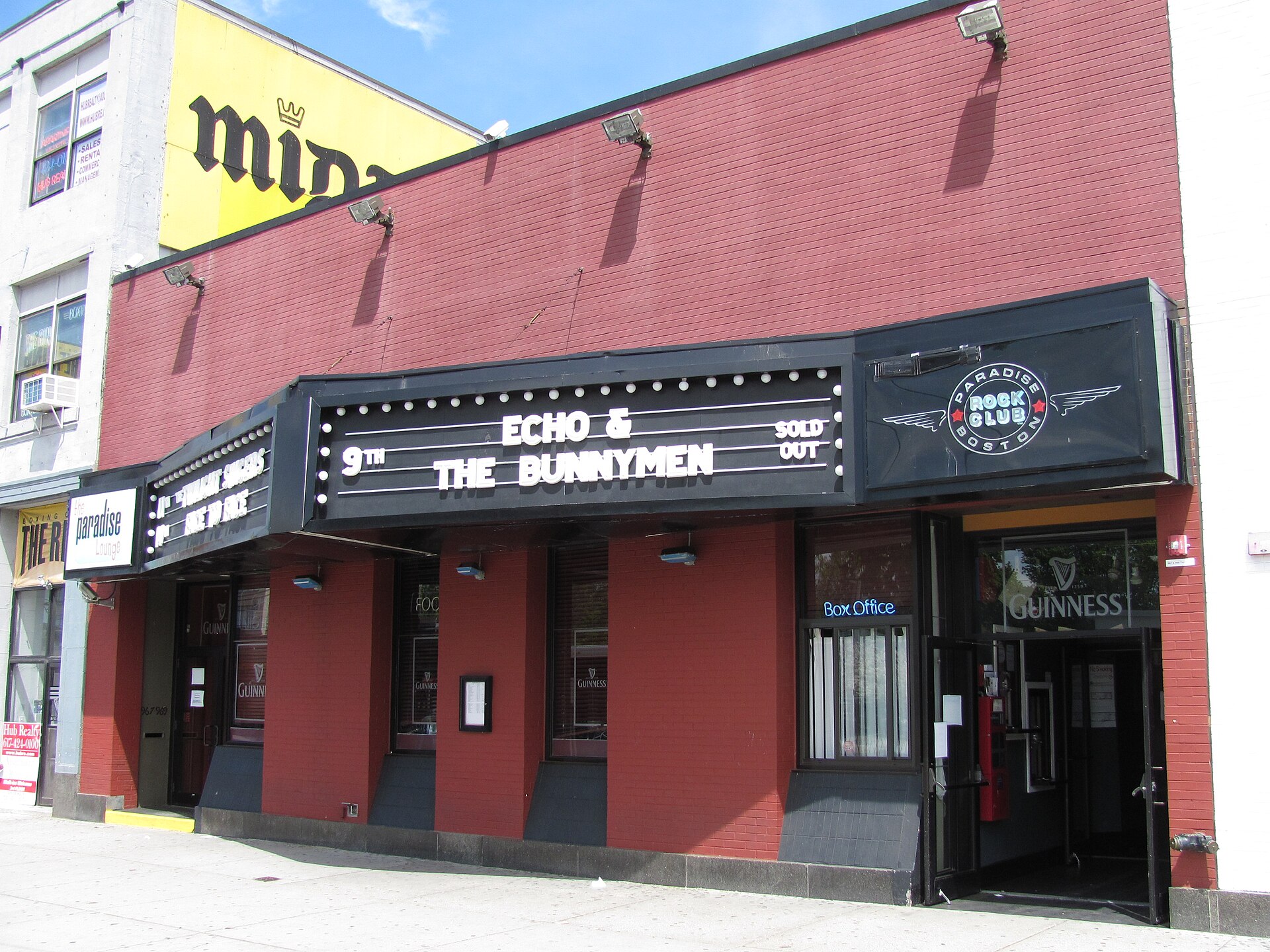
Photo: Paradise Rock Club, Boston — photo by John Phelan, CC BY 3.0 via Wikimedia Commons
From sweaty 200-cap clubs to a century-old concert hall: the essential fan's guide to Greater Boston's live music venues.
Forget the arenas for a minute. Sure, the giant tours roll through TD Garden and the Xfinity Center in Mansfield. But Boston's real heartbeat thumps in rooms that hold a few hundred to a few thousand people — and every one of them changes the show you see. Here's your cheat sheet.
“On a busy night at the Middle East you can hit three shows without leaving the block.”
Allston–Brighton: the rock corridor
Commonwealth Avenue has been the city's rock spine for decades. The Paradise Rock Club, slinging amps since 1977, is a long, intimate room where bands often play their last club gigs before they go big. Pro tip: the side sightlines are notoriously tight, so get there early and stake out the center.
Head further out and Brighton Music Hall delivers no-frills, loud-guitar glory for up-and-comers, while Roadrunner — opened in 2022 — gives the neighborhood a massive general-admission room for bands too big for clubs but not quite ready for hockey arenas.
Cambridge: Central and Harvard Squares
The Middle East in Central Square is a whole ecosystem under one roof: the cavernous Downstairs, the scrappier Upstairs, bar-sized ZuZu and the room now called Sonia. It's the best place in New England to fall in love with a band you'd never heard of an hour ago.
Over in Harvard Square, The Sinclair is a slick, great-sounding room with a balcony made for indie and folk, while Club Passim — tucked down a flight of stairs on Palmer Street — keeps alive a folk tradition stretching back to the late 1950s. At Passim, you shush. Every word matters.
Downtown and the Theatre District
Royale is an old ballroom with a wide dance floor and a wraparound balcony, home to touring rock, pop and R&B. Big Night Live, next door to TD Garden, is the newer big club booking everything from rockers to tribute bands to electronic acts.
And then there's Symphony Hall. Opened in 1900 and designed with physicist Wallace Sabine, it's routinely ranked among the best-sounding halls on Earth — and home to the Boston Symphony Orchestra and the Boston Pops. If you've never heard music there, fix that.
Before you go
Check ages: lots of clubs are 18+ or 21+, and Riff Boston only lists an age policy when the venue publishes one. Doors usually open an hour before the first act, headliners often hit the stage around two hours after doors, and the T stops around 12:30 a.m. — plan your ride home accordingly.